How Does Credit Card Debt Forgiveness Work
By
Easy Tips
—
Thursday, 26 July 2018
—
Credit Tips
But since the past few months, this unlikely event is beginning to occur more and more often. The primary factor behind its increasing popularity is the limited amount of funding available from alternative sources now. Tapping home equities, settling for debt consolidation loans, or even drawing from retirement savings are not feasible options for consumers anymore.
If an individual finds himself unable to pay off his debt, then he has to compulsorily declare himself bankrupt. When this happens, the entire outstanding amount against that individual is written off. From a lenders point of view, they would prefer that the consumer paid a certain portion of his debts rather than have the entire amount written off due to bankruptcy. The remaining outstanding can be forgiven by the lender.
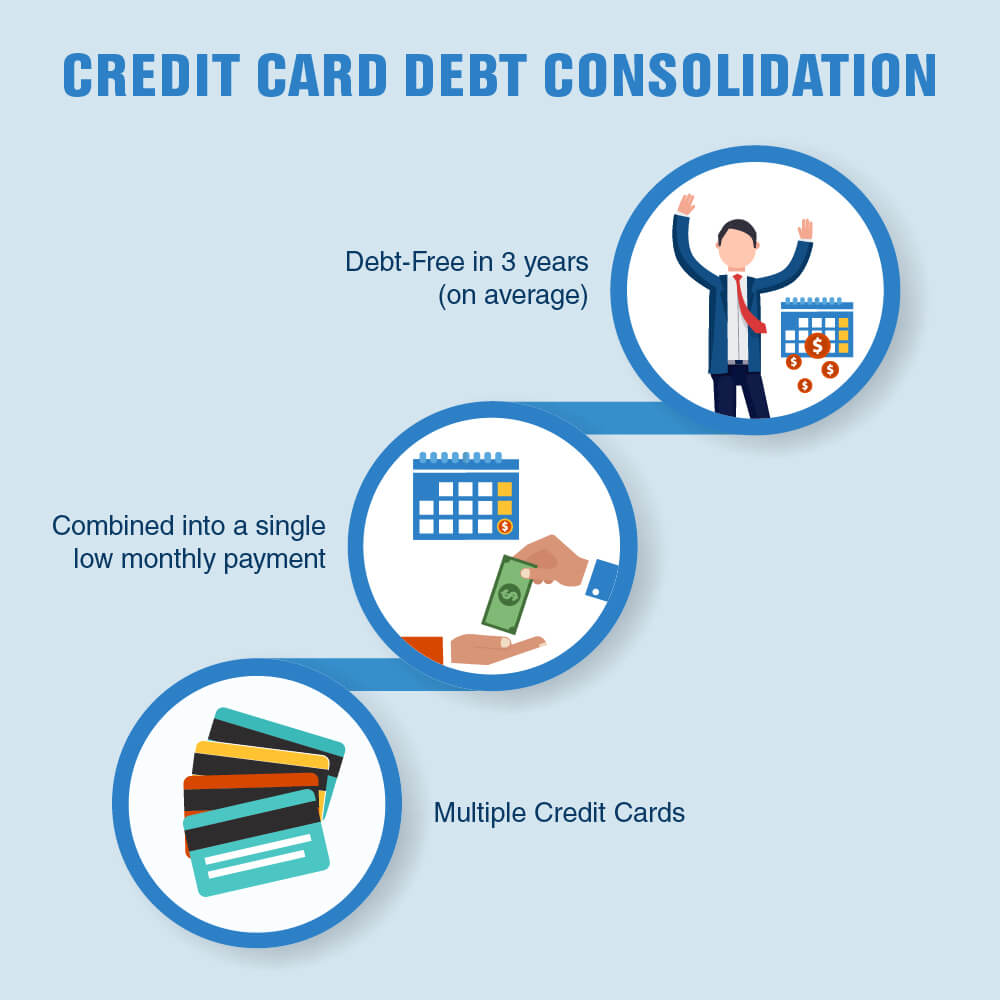
The reason for this is not any altruistic generosity on the part of the lender, but rather an acceptance of the inability of the borrowers to pay off their debts entirely. Another approach is when the customer approaches the bank for the procurement of one loan in order to repay all his other debts. These could also include his credit card debt and as a result, the borrower gains more time to repay. If the lender agrees, then the customer may pay back the loan at a slower but steadier rate.
This method is also known as debt consolidation. If the customer puts up his house as a collateral, the major advantage is that the taxes on his debt will be written off. Some lenders choose to lower their rate of interest, reduce the minimum level of monthly payments for a specific duration of time, or simply enter into a settlement at a lowered amount. The simplistic logic behind this seemingly noble act is that the sooner consumers get their finances in order, the sooner they will start borrowing money again.
For many years, there has been a tussle between lenders to be the first choice of consumers, now there is an ongoing battle to decide which one of the lenders gets paid back first. Debt forgiveness is a means to an end in this regard, as even a lowered amount of repayment is better than no payment at all.
Lenders are not only targeting consumers that have defaulted on their payments, but also those who they feel could potentially end up as defaulters. Now all this does not simply mean that consumers have achieved the leverage to get great deals out of this initiative. Soon they will begin to question the benefits of paying off debts on time, as they would believe that by defaulting, they can get away with it. It's important to remember that lenders will offer these deals only to people that meet certain criteria.
The customer's income, credit history, and relationship with the bank are some of the factors that will aid in their decision-making process. As a result, these people will also suffer a sharp drop in their credit rating and make it harder for them to procure funds in the future. As an alternative, one can even opt for credit counseling or debt settlement programs. Even as a defaulter, one must be extremely cautious when dealing with lenders that resort to aggressive tactics and paint a bright picture of debt forgiveness, as there are bound to be hidden charges and conditions. Make sure to read the fine print before availing this proposal.
10,000 in unsecured debt it would be wise to utilize a debt relief network instead of going directly to a debt settlement company. Using a debt relief network guarantees that the debt settlement company you choose has been certified and has established success in negotiating settlements. They are free to use and a good starting point to begin your debt relief process.
For those who are going to use debt settlement as their primary means for getting out of their debt hole, there is something that you need to know. You need to know that settlement only works if you are willing and able to pay off your debt in a huge lump sum.
You have a lot of power when you negotiate a settlement, but that power comes primarily from one thing. It comes from the fact that you have a checkbook ready and money in the bank that the creditors desperately need at this point. With that in mind, it is essential that you have enough funds to put forth a solid offer.
Part of debt settlement is negotiating to work out a plan. Some people go into the negotiation process and they think that they can set up some sort of payment plan. Though this will usually get you a discount on your total balance, it won't get you nearly the discount you need for settlement to make sense.
These people typically do not have the funds up front to settle their debts the right way, so they give up almost all of their negotiating power to the creditors. As you might imagine, this is a terrible idea and it will leave you in a bad situation going forward. What you need is the funding to be able to put an offer out there on the table right now.
You need to have cash on hand to offer the credit card company 30% or 35% of the debt and be able to stand by that. You can put your first down, show them the check right then and there, and fully use your advantages. When the money is out there for the taking right away, creditors will be much more likely to accept a lower offer.
Some people have even said that they were able to get a 75% discount just by offering it all at that very moment. 10,000 debt, the numbers are outrageous. Before you negotiate a settlement on your own, be prepared. Take some time and save up some cash before you give the creditor a call. That way, when things start, you can be powerful from the very beginning. You can stand your ground and win the negotiation in order to get yourself back on track financially.